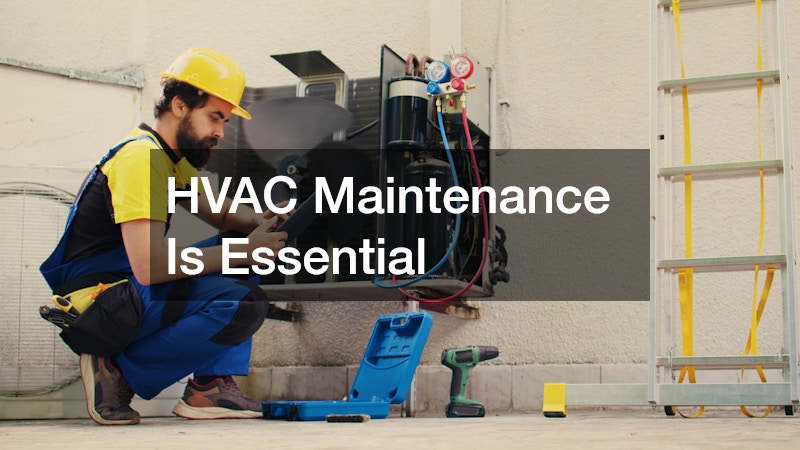
In this article, we explore whether you need HVAC services, discussing the signs, types, and general maintenance involved with HVAC systems. HVAC systems, which stand for Heating, Ventilation, and Air Conditioning, play a crucial role in maintaining the comfort of your home or office. As they work throughout the seasons, keeping the indoor environment at optimal temperatures, it is important to ensure they are functioning effectively.
The decision to engage HVAC services should be made carefully and based on several warning signs and factors that could indicate potential issues. This comprehensive guide will help you assess your situation and decide the best course of action for your HVAC system.
How do I know if my HVAC system needs repair?
One of the foremost indicators of HVAC system issues is a noticeable inconsistency in the temperature within your living spaces. If certain rooms are significantly cooler or warmer than others, it may point to problems with your system that require attention. In some cases, noisy operations like rattling, buzzing, or unusual sounds from your HVAC system can serve as warning signs. Strange noises often indicate that parts within the system are loose, worn out, or in need of lubrication. Ensuring quiet and efficient operation of your HVAC can be prioritized by addressing these auditory signals promptly.
Another reliable method of identifying HVAC issues is monitoring the energy bills. A sudden and unexplained spike in energy costs may suggest an inefficient system that’s overworking to maintain desired heating or cooling levels. Additionally, unpleasant odors emanating from vents or around the system can indicate mold or mechanical problems, necessitating professional evaluation. Basics such as checking for humidity issues are essential; any excess moisture or discouragingly dry air can be a telltale sign. Maintaining an ambient indoor environment should be a key reason to prioritize a professional HVAC assessment for unseen problems.
Airflow issues, including weak or absent air from vents, highlight potential blockages or mechanical failure in your system. Additionally, noticing that your HVAC is frequently cycling on and off can reveal its struggling capacity to maintain temperature. If ignored, these repetitive cycles can exacerbate mechanical wear, leading to more severe damage over time. It’s prudent to get an expert to check the components such as coils, filters, and ducts for signs of wear and tear. Efficient airflow ensures that your system does not work harder than needed, prolonging the lifespan of the appliance.
What types of HVAC services are available?
HVAC services can be categorized into several main areas, encompassing repair, maintenance, and installation. Repair services focus on fixing existing issues within the system, whether mechanical failures, electrical issues, or refrigerant leaks. When engaging in repair services, the goal is to restore functionality without necessarily replacing the entire apparatus. Maintenance services, on the other hand, emphasize preventative measures and regular check-ups to avert potential future problems. Routine maintenance can significantly improve the efficiency and lifespan of your HVAC system.
Installation services are critical during the construction of new homes or when replacing outdated and inefficient HVAC systems. Professional installation ensures proper sizing and configuration to effectively meet the heating and cooling needs of a building. Custom design solutions are available to fit unique architectural layouts, ensuring full coverage and efficiency. For those who desire additional comfort features, there are specialized services such as ductwork cleaning, humidifier installation, and air quality assessments. These add-on services are especially beneficial in areas with extreme climates or homes with specific health concerns.
Modern HVAC services also include the integration of smart technologies, transforming ordinary systems into more responsive and energy-efficient setups. With smart thermostats and home automation compatibility, homeowners can control temperatures and energy usage remotely. This technology helps optimize usage patterns and even provide maintenance reminders based on actual system needs. Engaging with HVAC companies that offer these diverse services helps ensure you receive comprehensive care tailored to specific demands. Ultimately, the right service choice will depend on your current system’s condition and your future needs.
How often should HVAC maintenance be performed?
HVAC maintenance frequency is an essential aspect of ensuring the system’s reliability and performance over time. It is commonly recommended that homeowners should schedule maintenance at least twice a year, typically before the heating and cooling seasons. Doing so will prepare the system for the increased demands of summer and winter. For homes with older HVAC systems, more frequent inspections may be beneficial to preempt potential breakdowns. Regular maintenance checks can help detect minor issues before they develop into substantial, costlier problems.
Seasonal checks typically involve cleaning or replacing filters, inspecting electrical components, and assessing airflow efficiency. HVAC technicians often conduct thorough inspections of key components such as the evaporator and condenser coils to ensure no malfunctions. Additionally, lubricating moving parts is vital to prevent undue friction that could lead to mechanical failure and energy waste. The twice-yearly schedule allows for adjustments in anticipation of wear due to seasonal variations in usage. Incorporating these regular maintenance checks into your routine is an investment that maintains home comfort and reduces long-term energy costs.
Premium maintenance plans offered by professional HVAC companies provide a blend of assessments, servicing, and exclusive perks, such as priority repair scheduling. These plans are typically customized to help homeowners manage service expenses while maximizing system effectiveness. For industrial or large-scale systems, more frequent checks might be warranted to handle the demands of continuous operation. Having a reliable maintenance plan in place guards against unexpected and inconvenient breakdowns during extreme temperatures. Being proactive with HVAC maintenance is a small effort towards securing ongoing efficiency and avoiding preventable issues.
What are the benefits of regular HVAC maintenance?
Regular HVAC maintenance bears numerous advantages, greatly influencing system performance, reliability, and longevity. First and foremost, it prevents sudden breakdowns by addressing issues before they worsen, thus ensuring consistent home comfort. As mechanical parts wear out due to friction and usage, timely maintenance tackles these problems, avoiding energy inefficiencies and costly repairs. Additionally, a well-maintained HVAC system tends to have a reduced environmental footprint by optimizing energy usage. Such eco-friendly operation does not just mean reduced costs but also contributes positively to environmental sustainability efforts.
Another key benefit of regular maintenance lies in improving indoor air quality. Clean filters and ducts promote healthier respiration by reducing dust, allergens, and pollutants circulating in the air. This is especially relevant in homes with individuals suffering from allergies, asthma, or other respiratory conditions. Regular maintenance also assists in maintaining appropriate humidity levels, preventing mold growth and discomfort related to excessively dry or humid environments. By ensuring fresh, clean air circulates throughout your home, HVAC maintenance supports overall family wellness and health.
Financially, regular maintenance extends the lifespan of an HVAC system, deferring the need for an untimely and expensive full replacement. Energy efficiency resulting from prudent upkeep translates into noticeable savings on utility bills over time. Furthermore, many manufacturers require documentation of regular maintenance as part of warranty validation processes. This maintenance record ensures that any warranty claims are honored in the event of a manufacturer’s defect. Investing in regular upkeep means preserving the value and efficiency of your HVAC investment over the years.
When is it time to replace your HVAC system?
Determining the right time to replace your HVAC system involves evaluating factors such as age, repair frequency, and technological advancements. On average, HVAC systems last between 15 to 20 years; beyond this timeframe, even well-maintained systems may no longer operate efficiently or reliably. If routine repairs are becoming increasingly frequent and costly, it may be more economical to replace the whole system rather than prolong struggling performance. Innovations in HVAC technology offer more efficient and environmentally friendly options, making upgrades attractive for both performance and eco-conscious homeowners.
In some scenarios, a full replacement might be recommended if your energy bills remain consistently high despite regular maintenance. As systems degrade, efficiency diminishes, necessitating more energy to achieve desired heating or cooling levels. This not only impacts utility costs but also places unnecessary load on aging units, potentially leading to untimely breakdowns. Comprehensive assessments by HVAC professionals can help determine whether significant components like compressors or heat exchangers need replacement due to wear. Investing in a new system ensures optimal performance and energy savings, justifying initial replacement costs over time.
Technological advancements offer systems with programmable thermostats, zoning capabilities, and improved air filtration. These features enhance the home comfort experience while addressing diverse climatological challenges more efficiently. Furthermore, replacing your HVAC system with energy-efficient models may qualify for tax credits or rebates; understanding local incentives is beneficial. When evaluating replacement, consider the potential benefits in energy efficiency, home comfort, and environmental favorability it could bring. Consulting with a certified HVAC technician will guide you in making an informed decision regarding the timing and options for a system replacement.
Determining the need for HVAC services involves understanding the signs of system trouble, exploring service options, and deciding between repair or replacement. Ultimately, homeowners must remain vigilant in detecting these signals to maintain comfort and efficiency in their living spaces. A proactive approach to HVAC maintenance and timely upgrades ensures that systems operate at their best, delivering consistent heating and cooling to your household. Consulting with professional and certified HVAC specialists can offer personalized advice and solutions suited to individual homeowner needs. Making informed decisions about your HVAC system’s care promotes its longevity, reliability, and efficiency, thus safeguarding your investments.