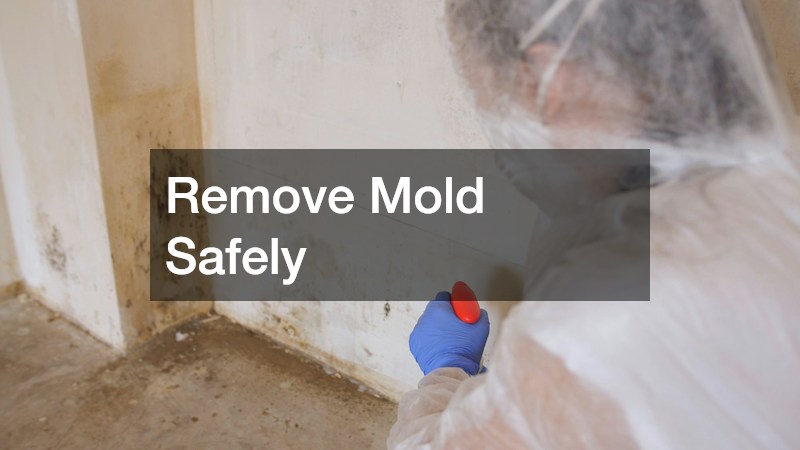
Mold remediation is an essential process in maintaining a healthy living environment. Mold can pose significant health risks, including respiratory issues, allergies, and other complications. This guide will walk you through the essential steps of mold remediation, highlight how to identify mold in your home, and provide tips for preventing mold growth after remediation.
What is Mold Remediation?
Mold remediation is the process of removing and cleaning mold from an affected area to ensure the safety and health of the environment and its inhabitants. It’s more than just wiping away visible mold; remediation addresses the cause and reduces the spread of mold spores.
This not only involves physical cleaning but also ensuring proper ventilation to prevent future outbreaks.
The primary goal of mold remediation is to bring the mold level back to natural background levels. This involves assessing the extent of mold contamination, isolating areas with mold, and using specialized products for cleaning. Professionals often recommend using protective gear to safeguard against inhaling mold spores.
While remediation is a crucial part of restoring a property, it’s also vital to consider preventive measures. This includes controlling moisture levels, as mold typically thrives in damp, humid environments. Addressing leaks, improving ventilation, and using dehumidifiers can prevent mold from coming back.
How to Identify Mold in Your Home
Identifying mold early can prevent further damage and health issues. Signs of mold include musty odors, discoloration on walls and ceilings, and water stains. Mold can appear in various colors, such as black, green, or white, and may present a fuzzy appearance.
Conducting regular home inspections, especially in areas prone to moisture, is essential for early detection. These areas include basements, bathrooms, and kitchens. It’s also wise to check behind appliances and around windows where condensation might occur.
Testing for mold might be necessary if you’re unsure about its presence. Home testing kits are available, but hiring a professional can provide a more accurate assessment. Experts use advanced tools to detect mold, even in hidden areas, ensuring thorough remediation.
Steps to Remove Mold Safely
Begin by assessing the extent of the mold problem. Small areas of mold can be tackled with DIY solutions, whereas larger infestations might require professional help. Ensure you wear appropriate protective gear, such as gloves, masks, and goggles, to prevent exposure.
Contain the mold to prevent it from spreading to unaffected areas. This can be achieved by sealing off the area with plastic sheeting and using an air purifier. Ventilation is crucial to reduce the chances of spores traveling through the ventilation system.
Use cleaning agents specifically designed to kill mold, ensuring to follow instructions carefully. For porous surfaces, complete removal might be necessary, as mold can penetrate deeper. Always ensure thorough drying of the cleaned area to prevent mold from returning.
DIY vs. Professional Mold Remediation
Deciding between DIY and professional mold remediation depends on the extent of the infestation. For small, manageable outbreaks, DIY methods can be effective. They typically involve using commercially available mold sprays and household cleaners.
However, larger infestations often require professional intervention. Experts have access to stronger, specialized products and equipment, ensuring more thorough remediation. They also have training to identify hidden mold and effectively remove it without causing further spread.
Professionals can also provide services such as structural repairs and preventive advice. While costlier upfront, their services can save money long-term by preventing further damage. It’s crucial to weigh the severity of the mold problem and the potential health risks before attempting a DIY solution.
How to Prevent Mold Growth After Remediation
Prevention is a critical aspect following mold remediation. The key is controlling moisture, as this combats the primary condition that allows mold to thrive. Regularly inspect your home for leaks, dampness, and areas of high humidity.
Implementing a maintenance routine can ward off future mold growth. This includes using dehumidifiers, repairing leaks promptly, and ensuring proper ventilation in high-moisture areas. Regularly cleaning gutters and maintaining HVAC systems can also help in controlling humidity levels.
Additionally, consider using mold-resistant products for construction and renovation projects. These include moisture-resistant drywall and mold-inhibiting paints. Both options provide an extra layer of defense against mold in vulnerable areas.
Mold remediation is essential for maintaining a safe and healthy home environment. By identifying mold early, taking proactive steps to remove it safely, and choosing between DIY and professional remediation, homeowners can effectively address mold issues. Prevention strategies help ensure that your home remains mold-free, promoting healthier living conditions for all residents.