
Introduction
Modern homeownership requires far more than isolated repairs or occasional upgrades. A property functions as a connected system where exterior design, structural integrity, mechanical systems, and interior finishes all influence one another. When one area is neglected, it often creates ripple effects that impact comfort, safety, and long-term value.
A strategic approach to home improvement focuses on planning upgrades in a way that maximizes efficiency and reduces unnecessary duplication of work. Instead of treating each project separately, homeowners benefit from viewing their property as a complete ecosystem. This means coordinating exterior improvements with interior renovations, aligning mechanical upgrades with energy efficiency goals, and ensuring all systems support long-term durability.
One of the biggest advantages of structured planning is cost control. When projects are properly sequenced, labor and materials can be optimized, reducing overall expenses. It also minimizes disruption, as overlapping work is avoided and contractors can complete tasks more efficiently. Thoughtful scheduling also helps homeowners avoid the common issue of having to redo work because one upgrade was completed without considering future improvements.
Another important factor is long-term resilience. Homes that are maintained with a systems-based approach tend to experience fewer emergency repairs, better energy performance, and higher resale value. Instead of reacting to problems as they appear, proactive planning allows homeowners to anticipate needs and budget accordingly. This creates a more predictable and manageable ownership experience.
This guide explores essential home improvement categories in detail, offering actionable insights into outdoor design, electrical safety, structural expansion, heating performance, and more. Each section is designed to help homeowners make informed decisions that improve functionality, increase property value, and ensure long-term stability.
By the end, readers will have a clear framework for managing upgrades in a way that is both practical and financially smart, leading to a more efficient, resilient, and future-ready home that adapts to changing needs over time.
Build a Strong Outdoor Foundation for Long-Term Property Value
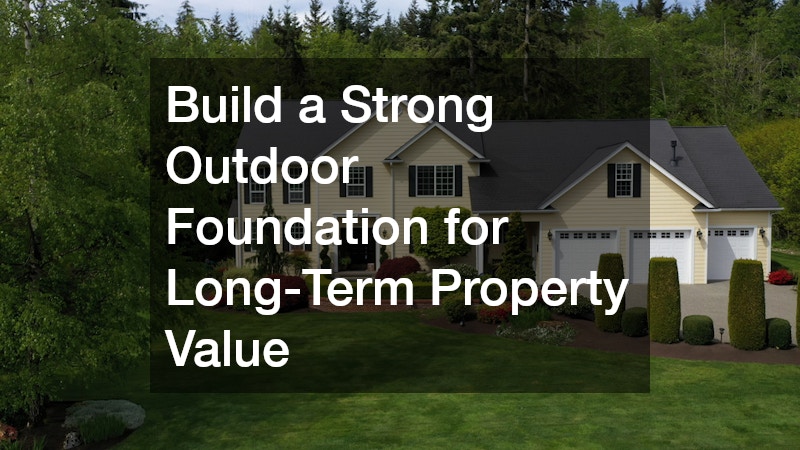
Outdoor spaces form the first impression of any property and play a critical role in drainage, usability, and long-term structural protection. A well-planned exterior design combines natural elements with structural features to create a balanced, functional environment.
Working with a professional landscaping company ensures that plant selection, soil conditions, and grading are properly evaluated. This prevents common issues such as water pooling, root damage to foundations, and uneven terrain. Landscaping should not only focus on appearance but also on long-term environmental performance.
A hardscaping company adds structural elements such as patios, retaining walls, walkways, and driveways. These features provide stability, define outdoor spaces, and improve accessibility. When properly designed, hardscaping also helps manage water flow and reduce erosion.
Key planning considerations include:
- Ensuring proper drainage away from the home foundation
- Choosing materials that match climate conditions
- Balancing plant coverage with structural elements
- Designing pathways for natural movement and flow
- Integrating lighting for safety and aesthetics
Maintenance is equally important. Seasonal trimming, sealing stonework, and inspecting drainage systems help preserve both function and appearance.
A coordinated outdoor plan enhances curb appeal while protecting the structural integrity of the property.
Improve Water Efficiency and Outdoor Functionality Systems
Water management is one of the most overlooked aspects of property maintenance, yet it has a major impact on landscaping health and utility costs. A professionally designed irrigation system ensures that water is distributed efficiently and consistently across all outdoor areas.
A lawn irrigation company evaluates soil type, plant needs, and property layout to design a system that minimizes waste while maximizing coverage. Poor irrigation design often leads to overwatering, dry patches, and increased maintenance costs.
Modern irrigation systems often include smart controls that adjust watering schedules based on weather conditions. These systems improve efficiency and reduce unnecessary water usage.
Best practices for irrigation management include:
- Installing zone-based watering systems for different plant types
- Using rain sensors to prevent overwatering
- Regularly checking for leaks or broken sprinkler heads
- Adjusting seasonal watering schedules
- Cleaning nozzles and filters to maintain pressure
Proper irrigation also protects structural elements such as foundations and walkways by controlling soil moisture levels. Excess water near the home can lead to long-term damage if not managed correctly.
Efficient water systems contribute directly to healthier landscaping and reduced environmental impact.
Strengthen Electrical Safety and Home Energy Performance
Electrical systems are the backbone of modern homes, powering everything from lighting and appliances to heating and smart technology. Ensuring these systems are safe and efficient is essential for both functionality and safety.
A residential electrician plays a key role in identifying outdated wiring, overloaded circuits, and potential hazards. Older homes in particular may not be equipped to handle modern electrical demands, making upgrades necessary.
Common electrical improvements include:
- Upgrading electrical panels for higher capacity
- Replacing outdated wiring for safety compliance
- Installing additional outlets for convenience
- Adding energy-efficient lighting systems
- Integrating smart home controls
Electrical safety inspections should be conducted regularly to identify risks such as faulty wiring, overheating circuits, or improper grounding. These issues can lead to serious hazards if left unaddressed.
Homeowners should also be aware of warning signs such as:
- Frequent breaker trips
- Flickering lights
- Burning smells near outlets
- Warm or discolored wall plates
Addressing these issues early helps prevent electrical failures and improves overall energy efficiency.
Expand Living Space with Smart Structural Planning

Expanding or reconfiguring a home requires careful planning to ensure that new structures integrate seamlessly with existing designs. Whether adding square footage or redesigning interiors, structural consistency is essential.
A home addition contractor helps manage large-scale expansions such as new rooms, extended living areas, or second-story additions. These projects require compliance with building codes, zoning regulations, and structural engineering standards.
Custom remodeling focuses on transforming existing spaces to improve functionality and aesthetics. This may include open-concept layouts, redesigned kitchens, or reconfigured living areas.
Key planning factors include:
- Matching architectural style between old and new sections
- Ensuring proper load-bearing support for additions
- Designing for long-term usability rather than trends
- Coordinating plumbing and electrical integration
- Securing necessary permits before construction
Successful expansions also depend on thoughtful layout design. Poor planning can lead to wasted space or inefficient traffic flow within the home.
When executed properly, structural improvements significantly increase both comfort and property value.
Improve Comfort and Energy Efficiency in Heating Systems
Heating systems are essential for maintaining comfort during colder months and ensuring indoor air quality remains stable. Over time, wear and tear can reduce efficiency and lead to system failures.
Heater repair services address issues such as inconsistent heating, unusual noises, or rising energy bills. Early intervention is critical to prevent complete system breakdowns.
Common maintenance tasks include:
- Cleaning or replacing air filters
- Inspecting heat exchangers for damage
- Checking thermostat calibration
- Lubricating moving components
- Testing airflow and ventilation systems
Regular servicing improves efficiency and extends system lifespan. Neglecting maintenance often leads to higher energy consumption and costly emergency repairs.
Homeowners should also consider upgrading older systems to more energy-efficient models, especially if repair frequency increases over time.
Maintain Functional and Secure Entry Points for the Home
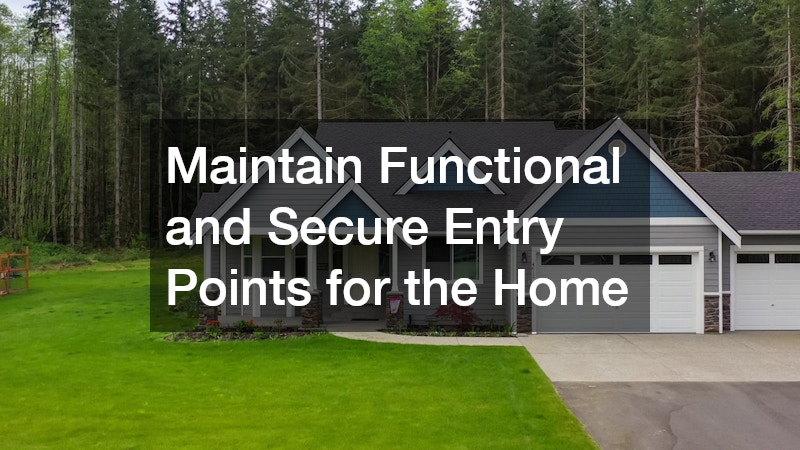
Entry points such as garage doors and windows play a crucial role in home security, insulation, and energy efficiency. When these systems fail, they can significantly impact both comfort and safety.
Garage door repair services address issues such as broken springs, misaligned tracks, and malfunctioning openers. A faulty garage door can pose serious safety risks and compromise home security.
Window repair focuses on fixing seal failures, cracked glass, and draft issues. Poorly sealed windows contribute to energy loss and increased utility bills.
Key maintenance strategies include:
- Lubricating moving parts regularly
- Inspecting seals for air leaks
- Replacing damaged components promptly
- Ensuring proper alignment and balance
- Upgrading insulation for energy efficiency
Maintaining these systems improves both security and indoor comfort while reducing energy costs.
Restore and Protect Interior Surfaces for Long-Term Durability
Interior flooring plays a major role in both aesthetics and functionality. Over time, floors experience wear from foot traffic, furniture movement, and environmental exposure.
Floor refinishing restores the surface by sanding away imperfections and applying a new protective finish. This process can dramatically improve appearance without requiring full replacement.
Benefits of refinishing include:
- Restoring original color and shine
- Extending flooring lifespan
- Improving resistance to scratches and moisture
- Enhancing property value
Maintenance after refinishing is critical:
- Use protective pads under furniture
- Clean with non-abrasive products
- Avoid excessive moisture exposure
- Recoat finishes when needed
Proper care ensures long-lasting durability and visual appeal.
Conclusion
A well-maintained home is never the result of a single project or one-time investment—it is the outcome of consistent care, thoughtful planning, and ongoing coordination between multiple systems. Every improvement, whether structural, mechanical, or aesthetic, contributes to a larger ecosystem that determines how efficiently and safely a property performs over time.
One of the most important takeaways is the value of integration. When upgrades are planned in isolation, homeowners often face inefficiencies such as duplicated labor, mismatched materials, or missed opportunities to improve overall performance. However, when projects are viewed collectively, it becomes possible to align timelines, reduce costs, and achieve more cohesive results. This systems-based mindset transforms homeownership from reactive problem-solving into proactive long-term management.
Equally important is the role of preventative maintenance. Regular inspections and timely interventions reduce the likelihood of unexpected failures and extend the lifespan of critical systems. This not only preserves property value but also reduces stress and financial uncertainty. Homes that are maintained consistently tend to require fewer emergency repairs and deliver more stable performance year after year.
Another key consideration is adaptability. As technology evolves and household needs change, homes must be able to accommodate new systems, upgraded materials, and improved efficiency standards. Whether it is energy-saving improvements, structural expansions, or enhanced exterior durability, forward-thinking planning ensures that each investment continues to deliver value well into the future.
Ultimately, building a cohesive home system is about more than maintenance—it is about creating a living environment that supports comfort, safety, efficiency, and long-term financial stability. By combining strategic planning, professional expertise, and ongoing care, homeowners can ensure their property remains strong, functional, and valuable for decades to come.