
Pest control is often viewed as a reactive battle. A homeowner spots a trail of ants in the kitchen, hears a midnight scratching in the attic, or discovers evidence of termites in the basement, and the immediate response is to reach for chemical sprays, traps, or an emergency exterminator. While these methods address the immediate nuisance, they only treat the symptoms of a much larger vulnerability. True pest management is structural, preventative, and deeply rooted in the concept of pest exclusion. By looking at your home and property as an interconnected ecosystem, you can make strategic physical upgrades that permanently deny entry, eliminate breeding grounds, and cut off the food and water sources that attract unwanted invaders. Investing in structural durability turns your home into an impenetrable fortress.
Creating a “No-Fly” and “No-Crawl” Zone Around the Foundation
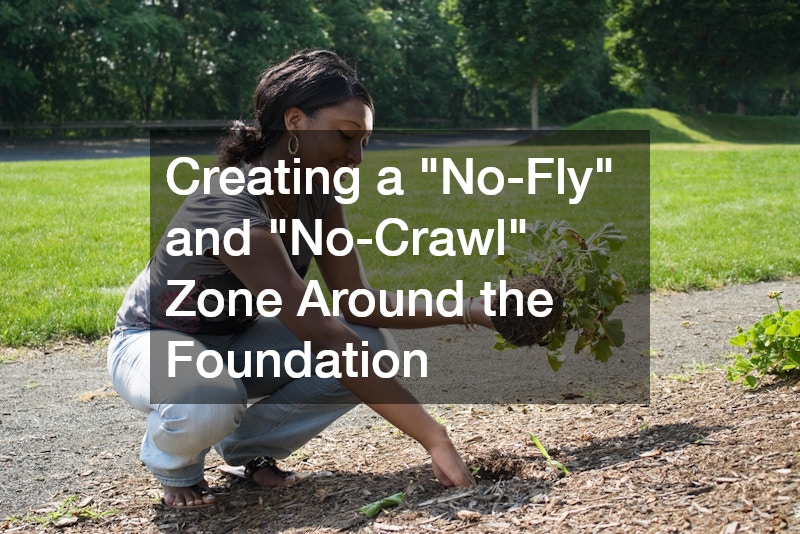
The immediate perimeter of your home—the zone stretching 12 to 18 inches from your foundation wall—should ideally be a sterile environment for pests. Traditional wood mulch is a major culprit in pest infestations; it retains moisture, regulates soil temperature, and decays over time, creating a perfect incubator for subterranean termites, carpenter ants, and millipedes.
- Install a Gravel Barrier: Dig out the soil and organic mulch in this 18-inch buffer zone and replace it with crushed stone, river rock, or pea gravel. This eliminates the moisture retention that pests crave and makes it incredibly difficult for tunneling insects to travel close to your foundation.
- Keep Siding Clear: Ensure that the soil or gravel level sits at least six inches below the bottom edge of your home’s siding. When siding touches the dirt, it creates a hidden conduit for termites to bypass your foundation entirely and enter your wall voids undetected.
Denying Roof Access to Wildlife
Your roof is just as vulnerable to pests as your ground floor, primarily because mature trees act as natural highways for climbing pests. Squirrels, roof rats, raccoons, and carpenter ants routinely use overhanging branches to bypass ground-level defenses and leap directly onto shingles, gutters, and dormers.
- The Six-Foot Rule: Routinely prune all tree branches so they sit at least six to ten feet away from your roofline and gutters. This distance is generally too wide for a rodent to jump, effectively cutting off their aerial bridge.
- Address Dying Flora: Deadwood and hollow trees are prime real estate for pests. Seeking out a professional tree service to safely remove compromised limbs or hollow trunks ensures you are eliminating massive, established colonies of carpenter ants and stinging insects before they decide to expand into your rafters.
Designing a Pest-Resistant Garden Ecosystem
Landscaping choices heavily influence the local pest population. Dense, overgrown ground covers like ivy or thick pachysandra act as a protective blanket for mice and rats, shielding them from natural predators like hawks and owls.
- Strategic Planting: Opt for ornamental grasses or pest-repelling flora such as lavender, rosemary, mint, and marigolds near patios and entryways. These plants secrete natural essential oils that insects inherently avoid.
- Grading and Drainage: Ensure your yard slopes away from the home at a rate of six inches of drop over the first ten feet. Standing water in low-lying garden beds is the primary breeding catalyst for mosquitoes. If you have complex drainage issues or require heavy earthmoving to fix poor grading, hiring a professional landscaping service can ensure your property sheds water efficiently, keeping the surrounding soil dry and unappealing to subterranean pests.
Securing Decks and Patios Against Burrowing Pests
The dark, protected void beneath a raised wooden deck or a concrete patio slab is a paradise for burrowing mammals and localized insect colonies. Animals like skunks, groundhogs, and opossums love nothing more than digging beneath an unsecured deck to raise their young.
- Implement Trench Screening: To prevent burrowing, dig a trench roughly one foot deep around the entire perimeter of your deck. Attach heavy-duty quarter-inch hardware cloth (galvanized steel mesh) to the bottom frame of the deck, extend it down into the trench, and curve it outward in an “L” shape before burying it. Animals attempting to dig under the deck will hit the mesh barrier and give up.
- Seal Concrete Fractures: Concrete patios and walkways naturally crack over time due to soil settling and freeze-thaw cycles. These fissures become expressways for pavement ants and weeds. Use a polyurethane-based concrete sealant to fill these cracks completely, denying insects a place to construct their sub-slab colonies.
Protecting Your Outdoor Relaxation Areas

An open, unprotected patio can quickly become unusable during peak insect season. Furthermore, the structural elements of your outdoor living spaces must be designed to repel pests rather than harbor them.
- Manage Debris Accumulation: Decks with wide gaps between the boards allow leaves, pine needles, and organic debris to fall through and accumulate underneath. This decaying matter creates a highly humid environment that attracts roaches and silverfish. Use a leaf blower or a specialized deck wand to clean out these gaps annually.
- Incorporate Protected Enclosures: Constructing permanent, screened outdoor structures is an excellent way to shield yourself from flying insects. Utilizing professionally constructed local patio covers featuring integrated mesh screening or solid overhead protection keeps your dining and lounge spaces completely free from flies, wasps, and mosquitoes, allowing you to enjoy the outdoors without relying on chemical bug zappers or pungent candles.
Eliminating Attic and Roofline Breaches
The roofline is exposed to extreme weather variations, which cause wood to warp, rot, and split. Pests are quick to exploit these structural failures to gain access to warm, insulated attics.
- Exclusion Screen Installation: Inspect your ridge vents, soffits, and gable vents. Factory vents often feature plastic screening that squirrels and rats can easily chew through. Replace or reinforce these openings with heavy-duty galvanized steel mesh.
- Mitigate Water Rot: Water damage softens wood fascia boards and sub-roofing, making it incredibly easy for squirrels or raccoons to tear open a hole. Partnering with professional roofing companies to conduct annual inspections ensures that broken shingles, damaged flashing, and roving leaks are repaired instantly, preserving the structural integrity of your roofline and denying pests an easy point of entry.
Reinforcing Large Exterior Openings
Doors and windows are obvious transition points, but homeowners frequently overlook the largest moving part of their home’s exterior: the garage door.
- Upgrade Weatherstripping: Look at your exterior doors at night with the indoor lights turned on. If you see light escaping from the sides or bottom, pests can get in. Install heavy-duty brush seals or vinyl door sweeps.
- Address Garage Vulnerabilities: Because garage doors shift and settle on their tracks, gaps routinely open up along the pavement. Rodents frequently chew through the soft rubber seals at the bottom corners of these doors. Investing in timely garage door repairs to replace worn tracks, adjust tension springs, and install chew-proof, steel-reinforced rubber bottom seals is a vital step in protecting both your garage and the shared walls leading into your living spaces.
Starving Pests of Their Most Critical Resource
High humidity and localized leaks create a microclimate that serves as a beacon for domestic pests. Condensation on pipes, slow drips under sinks, and rising dampness in crawlspaces must be addressed aggressively.
- Insulate Sweating Pipes: Cold water lines running through warm basements or crawlspaces sweat profusely in the summer. Wrap these pipes in foam insulation tubes to stop condensation from dripping onto wood joists.
- Proactive Leak Detection: A tiny pinhole leak behind a wall can go unnoticed for months, rotting drywall and attracting massive colonies of carpenter ants or termites. Prioritizing swift plumbing repairs for any fluctuating water pressure or unexplained wall dampness eliminates hidden water reservoirs, rendering your indoor environment dry and inhospitable to pests.
Maintaining Clear, Free-Flowing Wastewater Systems

Drains are essentially dark, damp tunnels filled with decomposing organic matter—an ideal habitat for specific pest species like drain flies, phorid flies, and fruit flies.
- Biofilm Eradication: The slimy coating that builds up inside sink drains and garbage disposals feeds insect larvae. Pouring boiling water down your drains weekly can help, but it rarely clears out the deep architectural bends of the pipe system.
- Deep System Cleansing: For long-term prevention, scheduling a professional drain cleaning utilizing hydro-jetting or specialized enzyme treatments strips away years of built-up grease and biofilm. This completely removes the food source and nesting environment for drain-dwelling insects, breaking their life cycle permanently.
Smart Food Storage and Structural Sealing
Traditional cardboard boxes and thin plastic bags are zero barrier for determined pests. Standard packaging for cereal, flour, and pet food can be chewed through by rodents in a matter of seconds.
- Airtight Containment: Transfer all pantry goods into thick, airtight glass or BPA-free plastic containers with locking lids. This completely seals in scents and prevents pantry moths or beetles from spreading if a life stage was accidentally brought home from the grocery store.
- Seal Utility Voids: Pull out your stove, refrigerator, and dishwasher. Where the gas lines, water lines, and electrical conduits pass through the drywall, there are often oversized holes. Stuff these voids with stainless steel mesh wool and seal over them with a premium silicone caulk to block these interior highways.
Upgrading Cabinetry to Eliminate Hiding Spots
Older kitchen cabinets often feature hollow bases, false backs, and unsealed gaps between the cabinet boxes and the drywall, creating protected voids where pests can hide and breed completely out of sight.
- Eliminate Blind Voids: When planning a kitchen renovation, avoid cheap, modular cabinetry that leaves large gaps against the wall. Opting for high-quality, custom-fit kitchen cabinets that seal flush against the floor and drywall eliminates the hidden cavities that roaches and mice rely on for nesting.
- Maintain Clean Cabinet Lines: Ensure that all cabinet doors close tightly and feature magnetic latches if necessary. Regularly wipe down the interior shelves with a diluted vinegar solution to remove spilled spices, sugar grains, and oils that act as a beacon for foraging scout ants.
Eradicating Microscopic Pests and Allergens from Flooring
Carpets act as giant filters, trapping dust, skin flakes, pet dander, and microscopic organic matter. This accumulation serves as the primary food source for carpet beetles, flea larvae, and dust mites.
- Rigorous HEPA Vacuuming: Vacuum all carpeted areas at least twice a week using a vacuum cleaner equipped with a certified HEPA filter. This ensures you are actually lifting away flea larvae and microscopic dust mites rather than blowing them back out into the room’s air supply.
- Deep Fabric Sanitization: Vacuuming alone cannot reach the deepest base of the carpet fibers or the underlying padding where pest larvae often hide. Arranging for a professional carpet cleaning using high-temperature steam extraction melts away sticky residues, neutralizes lingering pheromone trails, and kills hidden insect eggs, restoring the health and safety of your flooring.
Sanitizing the Invisible Highways of Your Home
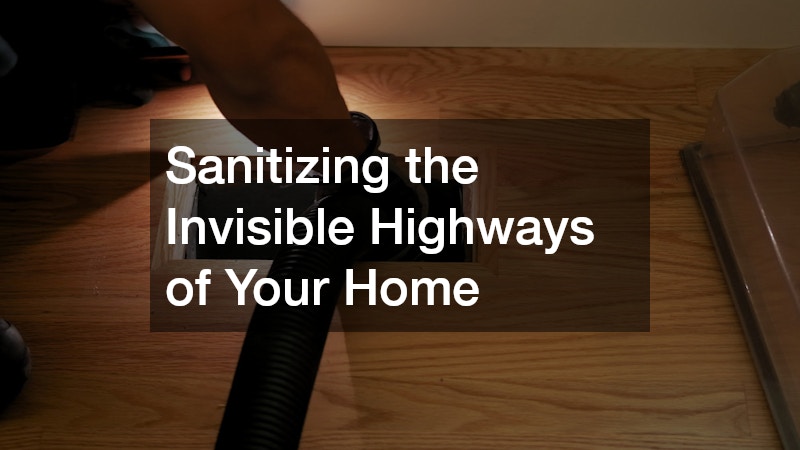
Your HVAC ductwork circulates air through every single room in your house. If rodents or insects find a way into your ducts, they can travel anywhere in the home completely unhindered, while shedding allergens into the air you breathe.
- Register Inspection: Remove your floor and wall registers to inspect the immediate duct interior. Look for nesting materials, chew marks, or dark tracking grease left behind by rodents.
- Complete System Decontamination: Over the years, ducts accumulate a thick layer of dust, pet hair, and ambient moisture, creating a viable ecosystem for pests. Investing in an intensive air duct cleaning clears out this debris trail entirely, sanitizing the air paths, removing pest allergens, and ensuring that your ventilation system cannot be used as a protected highway system by invading mice or bugs.
Securing your home against pests is not about applying temporary chemical fixes; it is about committing to long-term structural integrity and smart property maintenance. By systematically addressing vulnerabilities around your property line, sealing your exterior envelope, managing indoor moisture, and eliminating interior nesting voids, you create a home that naturally repels invaders.
These proactive upgrades do more than just keep bugs and rodents at bay. They preserve your home’s structural health, improve your indoor air quality, and prevent costly water damage and wood rot down the line. Treat pest exclusion as an essential component of your ongoing home improvement strategy, and you will enjoy a cleaner, safer, and entirely pest-free living environment for years to come.